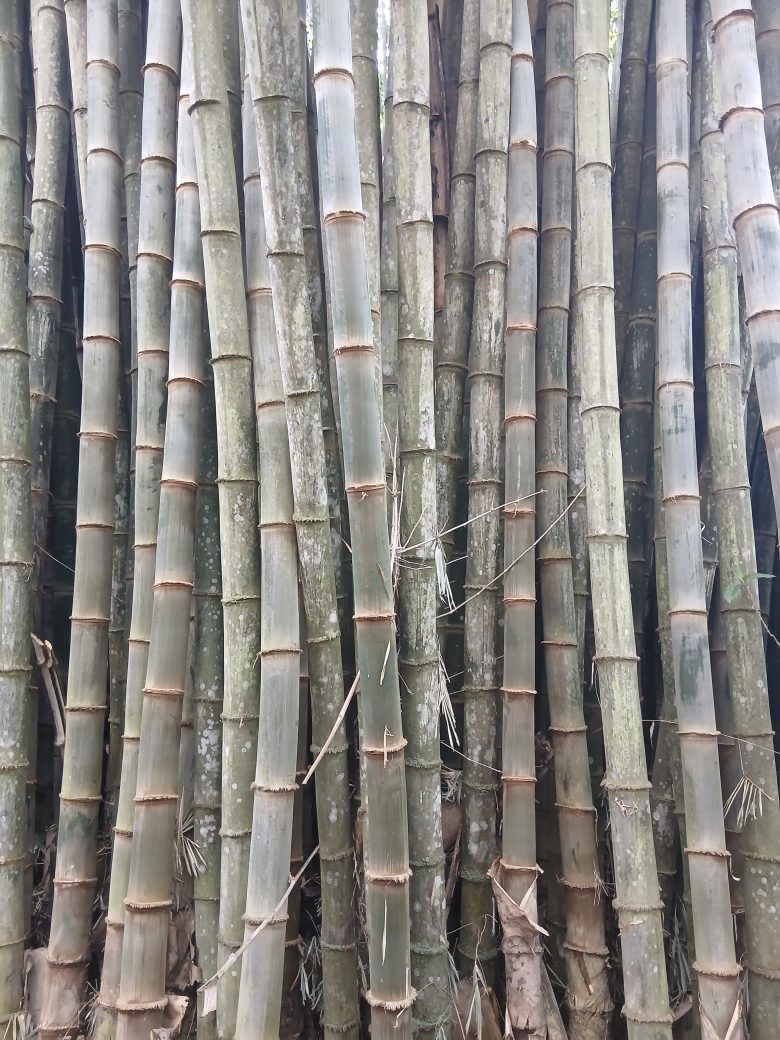
After a prolonged absence, it now feels like the right time to express myself again—especially upon returning from my journey through Latin America. It is during such travels that one’s truest self emerges, unburdened by analysis. No amount of time spent in self-awareness seminars can rival the truth I experience in these journeys.
Looking back, the defining moments of my time in Costa Rica are framed by trees and people.
Trees
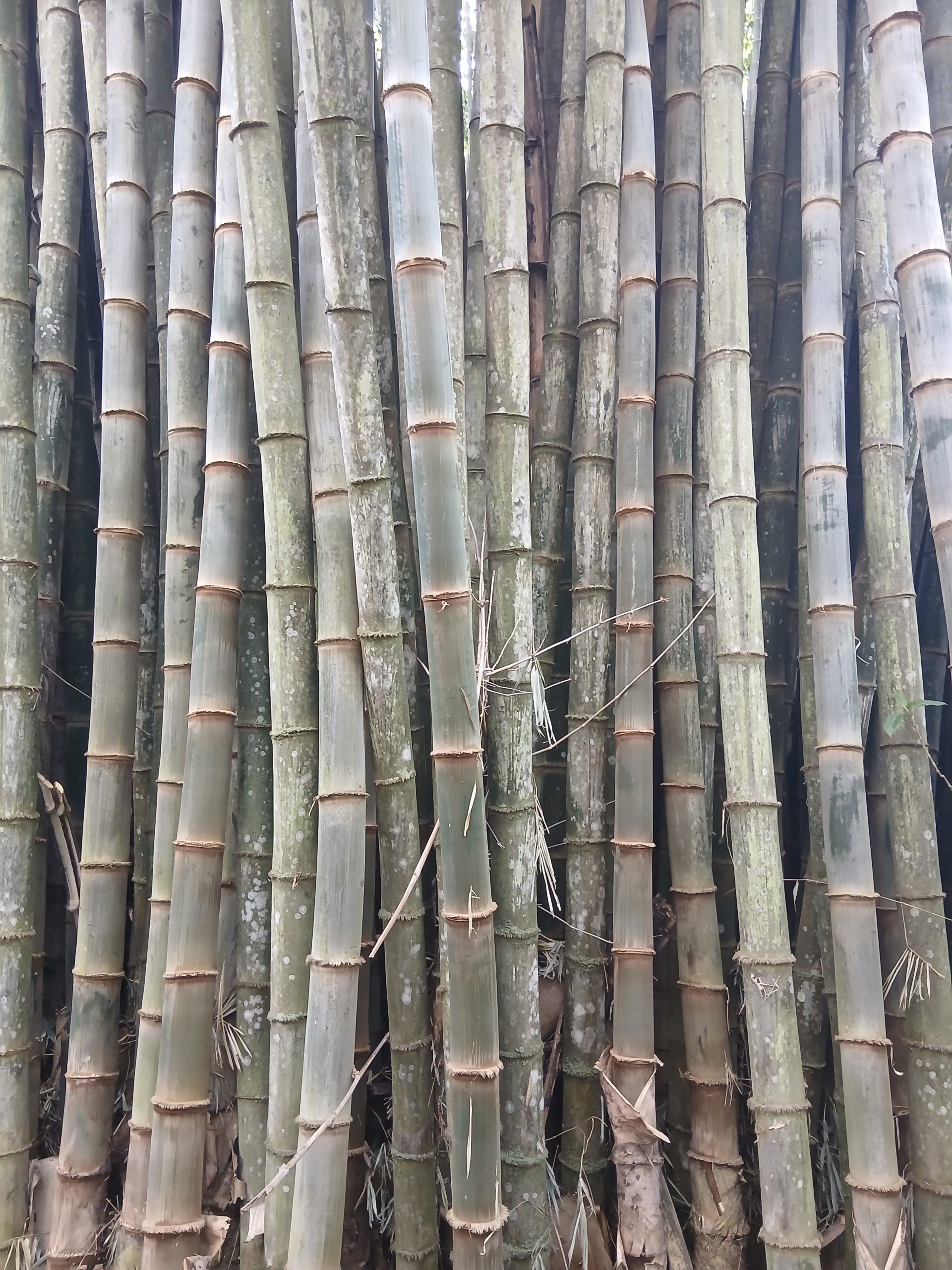
A reservoir of abundant nature, Costa Rica is largely covered by tropical forests, home to an immense variety of trees. It was not merely their diversity that captured my attention, but rather the different conditions in which they presented themselves to me—curiously reflecting my own inner concerns.
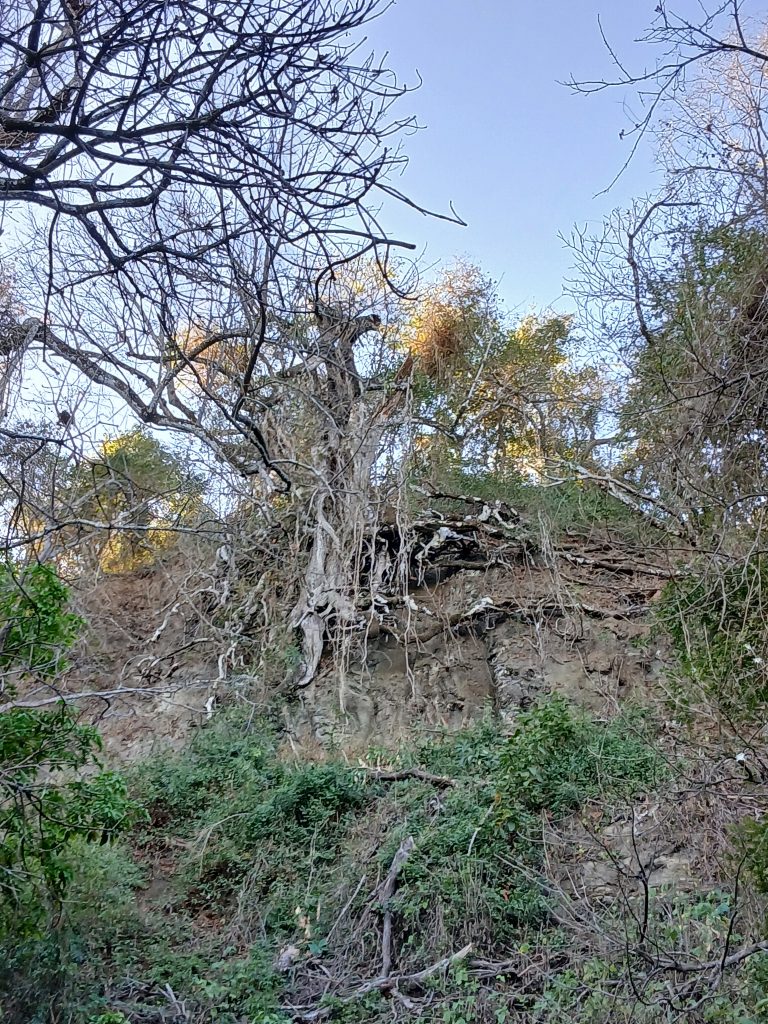
Some trees defied gravity on cliffs, perpetually facing the abyss, embracing it. I observed them with awe and wonder. Another stood alone in a clearing, removed from others, yet tall and upright, thick with branches, radiating strength and assurance.
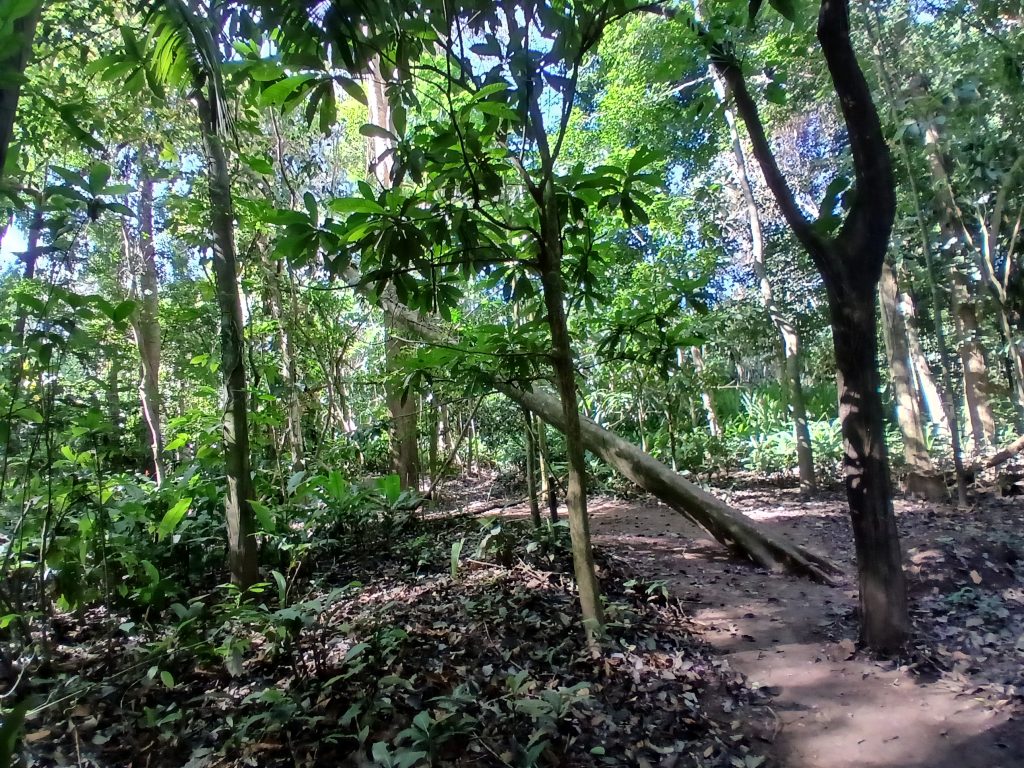
And then another—what had caused it to bend in such a way? Extending horizontally, making its path to the sky longer than expected. What seemed a rather painful trajectory revealed a uniquely beautiful geometry to my eyes.
There were also trees over 400 years old, with vast, deep roots both above and beneath the surface, reaching toward the sky while casting shade over everything around them.
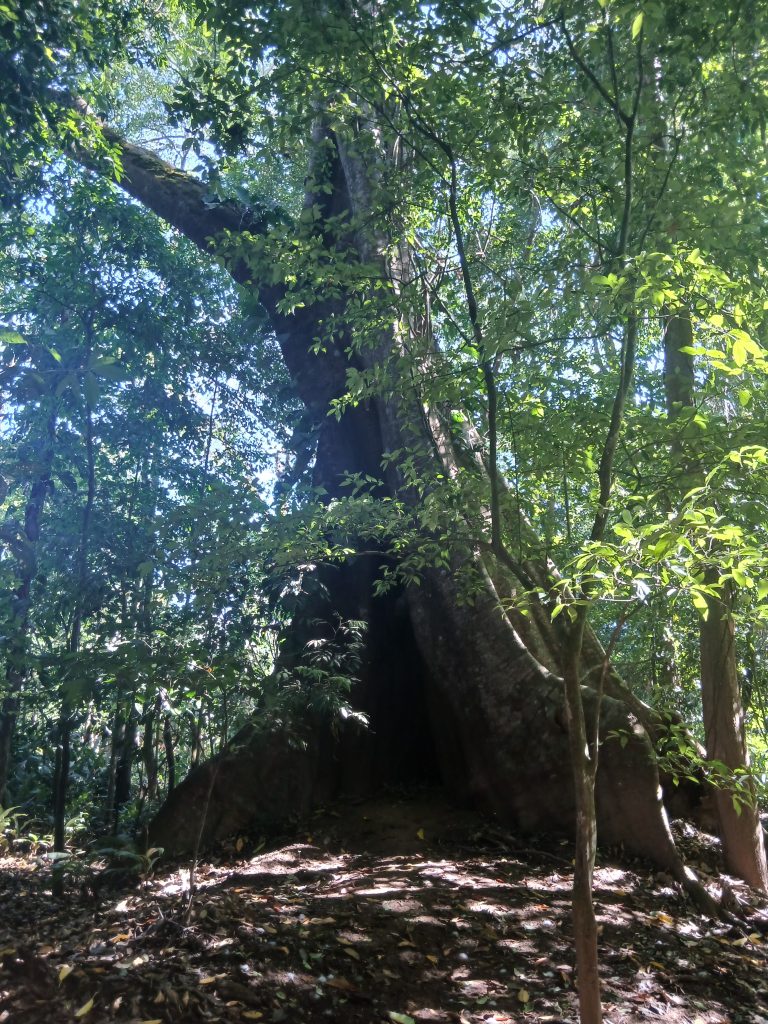
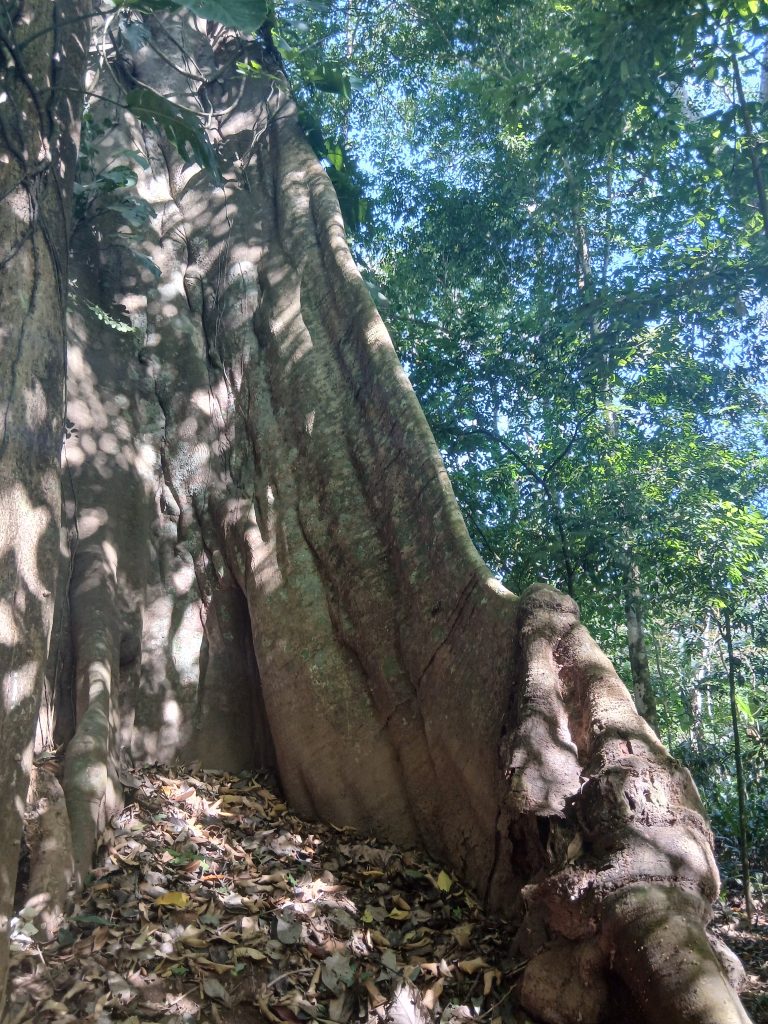
And yet, which tree would describe itself as old, lonely, daring, proud or anything at all? A tree simply is. While such interpretations ran through my mind—echoing the narratives I have learned to construct—nature demonstrated that there is no right or wrong way of being. In fact, it was not even demonstrating; the proof lay within me. Nature simply exists, experiencing itself.
All ways of being are inherently present, without interpretation.
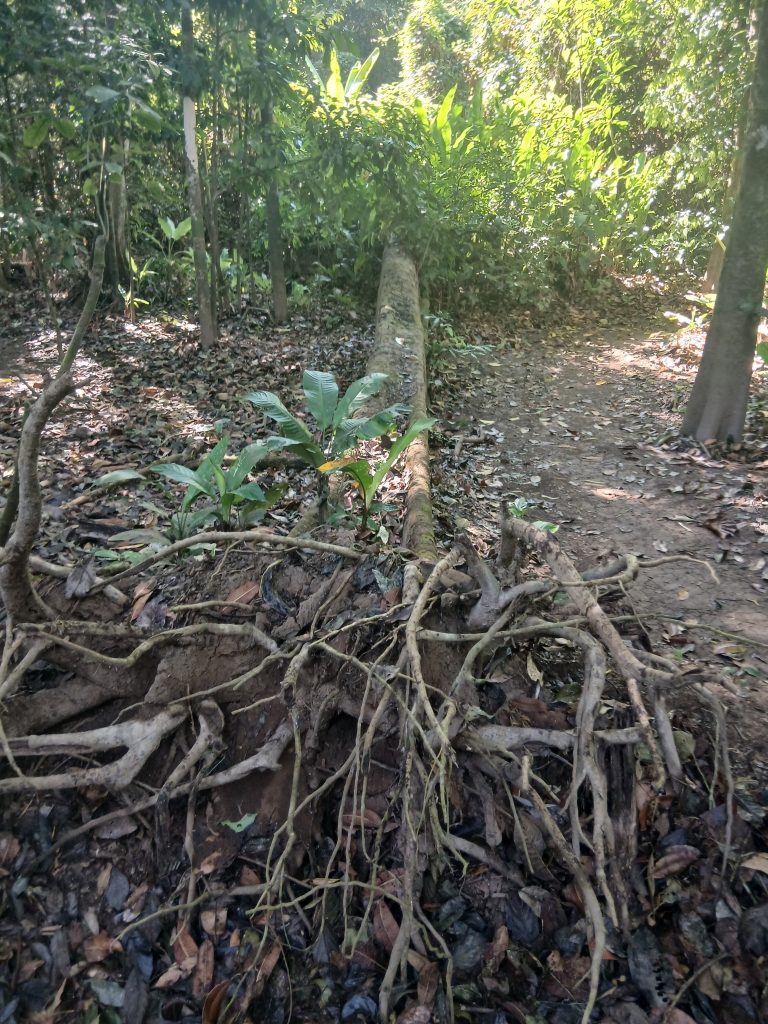
Amid these wandering thoughts, under heavy tropical rain in the midst of the forest, I heard and witnessed a tree breaking. Bringing me back to the now where, as like all else, it was part of nature to break—just another coefficient of being in the world.
People
Exploring the people of a place is the aspect of travel I anticipate most. Shaped by their landscapes, they develop a distinct cultural identity that could not emerge elsewhere. It is with this uniqueness that I wish to engage deeply.
An unconscious habit I have developed in my travels is transforming my usual declaration—“I will solve everything on my own without help”—into its opposite: “I will ask for guidance in even the smallest matters.” Through this, I find connection.
Until now, Jordan had set the standard for hospitality in my traveling experience. Then I arrived in Costa Rica.
I noticed that during conversations, locals held steady eye contact with me. I sensed a difference from what is typically considered conventional. By following their rhythm, I eventually identified what intrigued me.
At the core was their apparent absence of urgency—an absence of time as a governing force. Meaning what?
Whenever I sought their company, whether for assistance or enjoyment, they were entirely present. Through their words and manner of engagement, they shared the moment with me wholeheartedly. Their eyes were clear and calm; their gestures unhurried and conscious. Nothing suggested that their thoughts were elsewhere. There was nothing else to do, nowhere else to be.
Everything was immediate and fully expressed. Explicit.
And then it occurred to me—perhaps this is one reason these people live within a “blue zone,” a region associated with longevity. The paradox is that by neglecting time, one transcends it. When time is no longer an adversary, it becomes an ally.
All of this exists in deep harmony with nature—perhaps another contributing factor to the blue zone phenomenon. Living within nature—studying whales at sunset, observing the stars at night, guiding foreigner travellers during the day—their connection to the natural world is continuous and ever-present.
With these trees and people in mind, I find myself wondering:
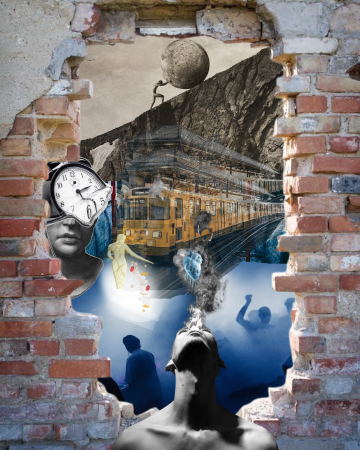
What would it be like, in my everyday life, to engage with another human or living in action while forgetting time? To not think of time passing, of death drawing mathematically nearer with each minute, of the next task awaiting completion…
And what would it mean to live in action without interpretation—to simply act,
to be in the moment rather in the mind,
in the court rather than in the crowd?”